



Increasing soil fertility: plant and microorganism symbiosis
In modern agricultural practices, overfertilization remains a persistent issue. But are there alternatives that can improve soil quality and fertility naturally? The answer lies within nature itself – in the symbiosis of plants and microorganisms.
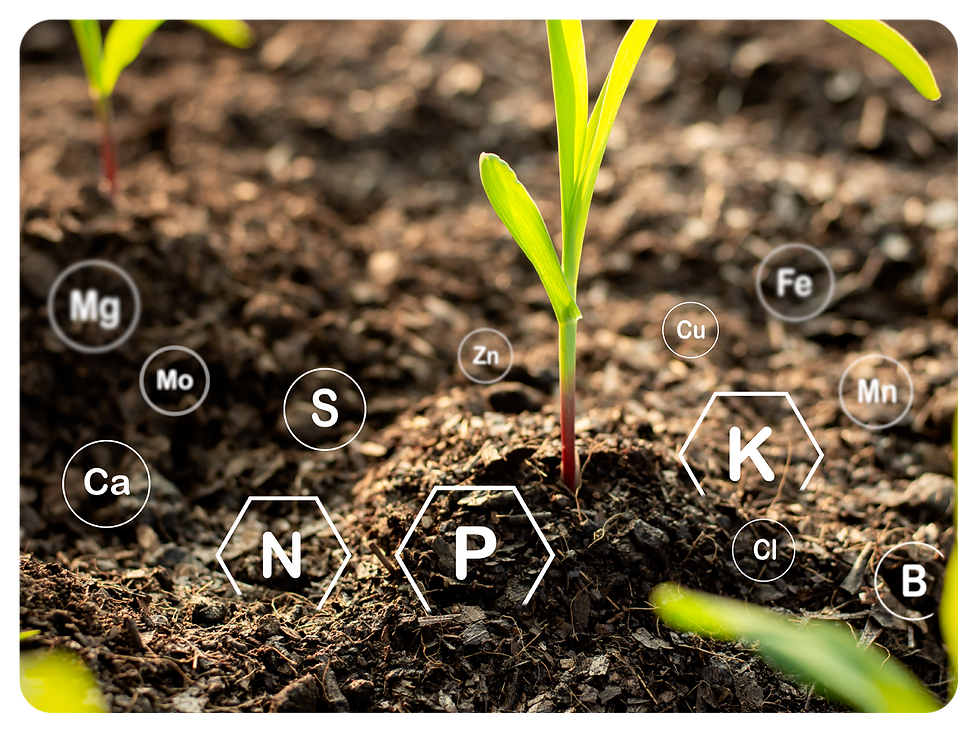
The importance of plant roots
The importance of plant root systems is often underestimated, though they are thinner than human hair and play a critical role in the plant life cycle. Roots are the source of a plant’s water and nutrient supply. However, this system cannot function in isolation – plants require symbiosis with soil microorganisms to survive and thrive.
The contribution of microorganisms
Microorganisms, including fungi and bacteria, are indispensable partners for plants. They provide essential nutrients to plants while enhancing root systems, enabling plants to absorb water and nutrients they could not access independently. For example, rhizobacteria help plants absorb phosphorus and fix nitrogen while protecting roots from pathogens and diseases. This plant-microorganism interaction creates a sustainable ecosystem based on mutual benefits.
The role of mycorrhizal fungi
One of the most impressive examples is the symbiosis between mycorrhizal fungi and plant roots. Through this interaction, the plant root system expands, allowing plants to more easily access and absorb nutrients. For instance, the amounts of phosphorus, magnesium, zinc, copper, manganese, and iron in plants significantly increase with the help of mycorrhiza.
Element | Without Mycorrhiza | With Mycorrhiza |
Phosphorus | 750 mg/plant | 1340 mg/plant |
Magnesium | 430 mg/plant | 630 mg/plant |
Zinc | 28 mg/plant | 95 mg/plant |
Copper | 7 mg/plant | 14 mg/plant |
Manganese | 72 mg/plant | 101 mg/plant |
Iron | 80 mg/plant | 147 mg/plant |
The mycorrhizal effect
Arbuscular mycorrhizal fungi not only aid in nutrient absorption but also drastically increase the plant root's absorption capacity – up to 7 times. This expands the plant’s nutrient uptake area and ensures more efficient use of available nutrients. This symbiotic relationship allows plants to access previously unavailable nutrients while ensuring their availability to roots.
Research has shown that mycorrhizal fungi help plants survive abiotic stress – drought, soil salinity, extreme temperatures, and toxicity caused by heavy metals. Mycorrhiza also activates genes associated with abiotic stress resistance, produces stress-related proteins and osmolites, and reduces sodium ion (Na⁺) accumulation.
This relationship also builds systemic resistance to leaf pathogens, insects, and root pathogens through antagonistic action. Plants involved in this symbiosis accumulate more chlorophyll, perform photosynthesis more efficiently, and regulate growth through phytohormones like auxins, cytokinins, gibberellins, abscisic acid, and brassinosteroids. This ultimately increases plant productivity, resulting in more seeds, flowers, and fruits.
Enhancing plant-microorganism symbiosis
Plant and microorganism symbiosis can be further strengthened through the use of microbiological preparations and optimizing fertilizer use. This ensures sustainable farming and maximizes efficiency.
How can overfertilization be solved?
The solution to overfertilization lies in nature itself! The symbiotic relationship between plants and microorganisms, particularly mycorrhizal fungi, creates fertile and healthy soil without relying on excessive chemical fertilizers. This natural approach improves nutrient availability, strengthens plant resistance, and supports a thriving ecosystem.
Let nature work its wonders and help us build a sustainable, productive environment!
